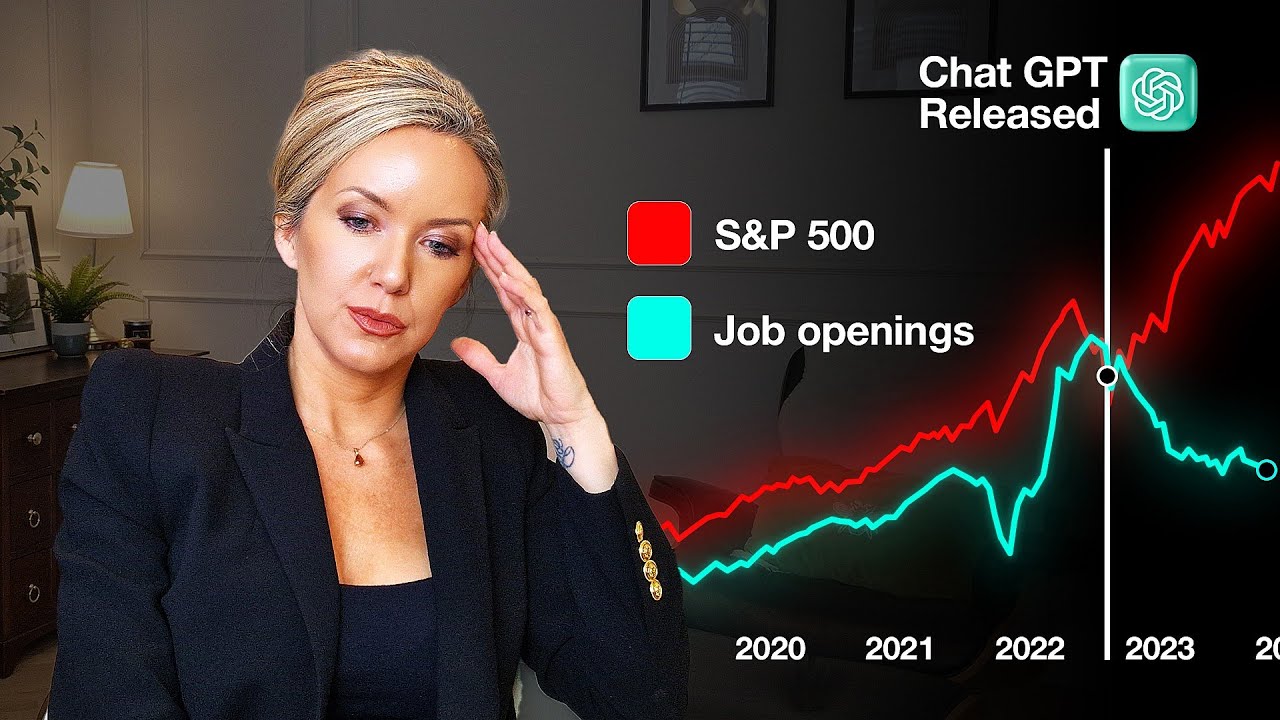


The loss of life of the résumé isn’t only a metaphor—it’s a actuality unfolding quicker than most recruiters anticipated. As we step into 2026, agentic AI is remodeling expertise acquisition from a document-driven course of right into a dynamic, skills-based ecosystem. Instead of hiring managers sorting by pages of credentials, autonomous methods now uncover, confirm, and advocate high expertise based mostly on real-time proof of capacity. Welcome to an period the place résumés fade into irrelevance, and expertise intelligence drives each hiring resolution.
From Résumé Reliance to Real-Time Skills Discovery
For a long time, résumés acted as the golden ticket to employment. Candidates polished bullet factors whereas recruiters skimmed for key phrases. But the fashionable office calls for greater than formatted phrases—it calls for proof of functionality. The resume’s limitations are painfully clear: bias, dated experiences, and restricted perception into how expertise evolve.
Real-time expertise discovery flips this paradigm. AI methods now scan code repositories, group boards, studying platforms, and work samples to measure precise proficiency. They confirm efficiency knowledge, quite than simply accepting claims. Recruiters achieve entry to a dwelling profile of a candidate’s evolving capabilities, quite than a static checklist written months—and even years—in the past.
This know-how doesn’t merely automate screening—it amplifies perception. Hiring choices change into grounded in empirical knowledge and observable conduct. The guesswork fades, changed by clear, verifiable proof of talent. Résumé reliance fades, and a more true measure of expertise emerges.
2026: The Breakout Year for Agentic Hiring AI
The leap from generative to agentic AI marks a basic evolution. In early iterations, AI may draft a job posting or auto-reply to candidates. By 2026, nevertheless, agentic methods do much more: they autonomously plan hiring workflows, alter outreach methods, and even monitor area of interest expertise communities for indicators of high-fit professionals.
These AI brokers act with a level of independence as soon as reserved for human sourcers. They are succesful of setting and adjusting objectives based mostly on outcomes. For instance, if a marketing campaign fails to draw certified engineers, the AI identifies different channels, rewrites the pitch, and exams new approaches—all with out human nudging.
2026 is not only one other tech milestone; it’s the breakout yr the place automation turns into initiative. Recruiters who equip themselves with agentic AI aren’t delegating busywork—they’re constructing recruiting groups that actually run themselves, powered by steady AI-driven optimization.
Beyond Chatbots: Meet the Era of Autonomous Recruiters
Most recruiters have used chatbots to handle primary candidate interactions. But agentic AI goes a number of steps past scripted dialog. It orchestrates whole expertise pipelines—matching expertise, initiating correspondence, scheduling interviews, and even negotiating based mostly on pre-set parameters.
These methods perform like tireless virtual recruiters, succesful of working 24/7 throughout a number of time zones. They scour the net for portfolio proof, assess candidate-community contributions, and cross-verify talent claims towards public knowledge. The degree of context-awareness and personalization far exceeds something conventional automation achieved.
The emergence of autonomous recruiters doesn’t change human recruiters—it redefines their worth. With brokers dealing with the logistics, people can give attention to empathy, advisory conversations, and shutting offers, returning the recruiter’s job to its relational core.
How Agentic AI Rewrites the Talent Acquisition Playbook
Agentic AI injects agility and adaptation into the hiring course of. Recruiters are now not bottlenecks, however strategists managing superior methods that be taught from each interplay. Hiring shifts from being reactive to predictive, guided by knowledge about future talent gaps quite than at the moment’s open requisitions.
These new playbooks emphasize iteration, not instinct. Instead of counting on “gut feel,” recruiters take a look at hypotheses—about candidate match, sourcing channels, and employer branding—then let AI validate or reject these assumptions. Every marketing campaign feeds efficiency knowledge again into the system, constructing a self-improving engine of steady recruitment intelligence.
This dynamic method is rewriting the recruiting rulebook fully. The profitable companies are now not these with the largest databases, however these with the smartest, fastest-learning AI stacks.
The Quiet Collapse of Degrees and Paper Credentials
Once, levels have been shorthand for high quality. A diploma on paper steered readiness for the workforce. But in the AI-augmented hiring actuality of 2026, expertise communicate louder than certificates. Employers have discovered that credentials usually lag behind technological change.
Agentic methods consider demonstrable expertise: code high quality, gross sales efficiency metrics, design improvements, or problem-solving outcomes. These insights are richer and timelier than a level earned years in the past. The quiet collapse of paper credentialing displays an more and more performance-oriented mindset throughout industries.
Degrees aren’t disappearing fully—they’re simply shedding their monopoly. Where as soon as they have been gatekeepers, at the moment they’re one knowledge level amongst many. The market now rewards confirmed capacity, not pedigree.
Why Skills Intelligence Platforms Are the New Résumé
Skills Intelligence Platforms function dwelling ecosystems of verified functionality knowledge. They acquire inputs from a number of sources—studying historical past, skilled achievements, peer endorsements, certification updates—and convert them into dynamic expertise profiles.
For recruiters, these profiles are gold. They reveal not simply what candidates have achieved, however what they’ll do subsequent. When paired with AI-driven analytics, they spotlight developments corresponding to rising talent clusters and studying velocity—insights no résumé ever supplied.
As organizations combine these platforms into their ATS and CRM methods, the résumé turns into redundant. Skills knowledge replaces paperwork, enabling prompt matching based mostly on goal proof quite than subjective summaries.
Mapping Competencies: Uncovering Hidden Talent Pools
Agentic AI thrives on discovery—notably of candidates who’ve been neglected by conventional filters. By mapping competencies quite than credentials, it identifies people whose transferable or adjoining expertise make them prime candidates for fast upskilling.
For occasion, an AI mannequin may uncover {that a} buyer help consultant possesses problem-solving traits much like these of a top quality assurance engineer. By reframing the knowledge, recruiters uncover recent pipelines with out increasing sourcing prices.
These hidden expertise swimming pools thrive in the skills-first economic system. Companies embracing this mannequin construct inclusive, high-performing groups quicker, whereas opponents nonetheless chasing diploma lists fall behind in the expertise race.
Predictive Workforce Analytics and the 2026 Stack
The 2026 recruiting tech stack hinges on one idea: prediction. Predictive Workforce Analytics blends inside talent inventories with market knowledge to forecast expertise shortages months earlier than they emerge. This allows proactive hiring methods and focused coaching investments.
Skills Intelligence Platforms feed immediately into these analytics methods. When related to inside efficiency knowledge and exterior hiring developments, they create a panoramic view of workforce capabilities. The group now not reacts to vacancies; it plans for them.
Recruitment companies leveraging this predictive energy achieve first-mover benefit. They can information shoppers towards rising talent calls for, positioning themselves not merely as suppliers of expertise—however as companions in strategic workforce foresight.
What Recruiters Must Upgrade Before AI Leaves Them Behind
As a lot as this revolution is technological, it’s additionally private. Recruiters should evolve their very own capabilities: understanding learn how to interpret AI analytics, practice clever fashions, and information agentic workflows. Simply utilizing software program isn’t sufficient—understanding why the software program makes its selections turns into the differentiator.
Upskilling now means AI fluency. The greatest recruiters of 2026 gained’t simply learn resumes—they’ll learn algorithmic outputs, bias flags, and knowledge lineage reviews. Their experience shifts from sourcing to strategic orchestration.
Those who fail to improve danger obsolescence. Agentic AI accelerates too shortly for static talent units to outlive. The future belongs to recruiters who be taught quicker than the machines they handle.
Balancing Automation with Authentic Human Connection
Even as AI excels at precision and scale, it can not replicate human instinct, empathy, or the nuances of dialog. Candidates nonetheless crave real contact—somebody who listens, interprets, and advocates. The human recruiter’s craft lies in these deeply relational moments.
Balancing automation and authenticity means utilizing AI as a pressure multiplier, not a substitute. Let machines crunch knowledge, whereas individuals construct belief. The most profitable recruiting organizations design roles round that synergy—AI for detection, people for connection.
In this blended mannequin, know-how empowers empathy. Recruiters usually are not displaced; they’re amplified, armed with deeper insights and liberated from repetitive duties to give attention to significant dialogue.
Trust, Negotiation, and the Human Premium of 2026
In the finish, hiring stays a human transaction. Trust can’t be automated—it have to be earned. The remaining phases of hiring, from negotiation to onboarding, hinge on emotional intelligence and genuine human engagement.
While agentic AI powers sourcing, evaluation, and matching, it’s the recruiter’s human understanding that closes offers. Candidates usually determine based mostly on how they really feel about an organization, not on the scoring output of an algorithm.
That feeling—the human premium of 2026—is irreplaceable. Recruiters who lead with transparency, empathy, and equity will stay indispensable, irrespective of how autonomous their AI turns into.
Goodbye Résumé, Hello the Future of Truly Smart Hiring
The phrase “Goodbye Résumé” isn’t hyperbole—it’s the headline for a brand new period. As agentic AIs dominate the again finish of expertise acquisition, recruiters transfer from knowledge wranglers to deal-makers. Skills, not paper, form profession trajectories.
AI-driven hiring democratizes alternative by specializing in capacity over look, on present talent over previous schooling. It ranges the enjoying subject for learners, profession changers, and world distant expertise. The promise of really good hiring lastly feels inside attain.
The organizations that thrive might be people who merge the logic of machines with the heat of human connection. Goodbye résumé. Hello the future of work—measured not by what you’ve claimed, however by what you’ll be able to truly do.
The résumé’s quiet exit marks greater than the finish of an outdated format—it indicators the start of a skills-first economic system, guided by clever, autonomous know-how. Agentic AI doesn’t erase human recruiters; it elevates them to their most important position—as interpreters of knowledge, mediators of belief, and champions of human potential. In 2026 and past, success will belong to those that cease studying résumés and begin studying actuality.